Natural tanning: how self tan works, what organic labels mean and staying sun-safe
Natural tanning here means a tan without the sun: a self-tan mousse, water or lotion that colours the top layer of skin. This page explains how it works, what 'natural' and 'organic' on a label do and don't tell you, how to apply it evenly, and why it isn't sun protection.
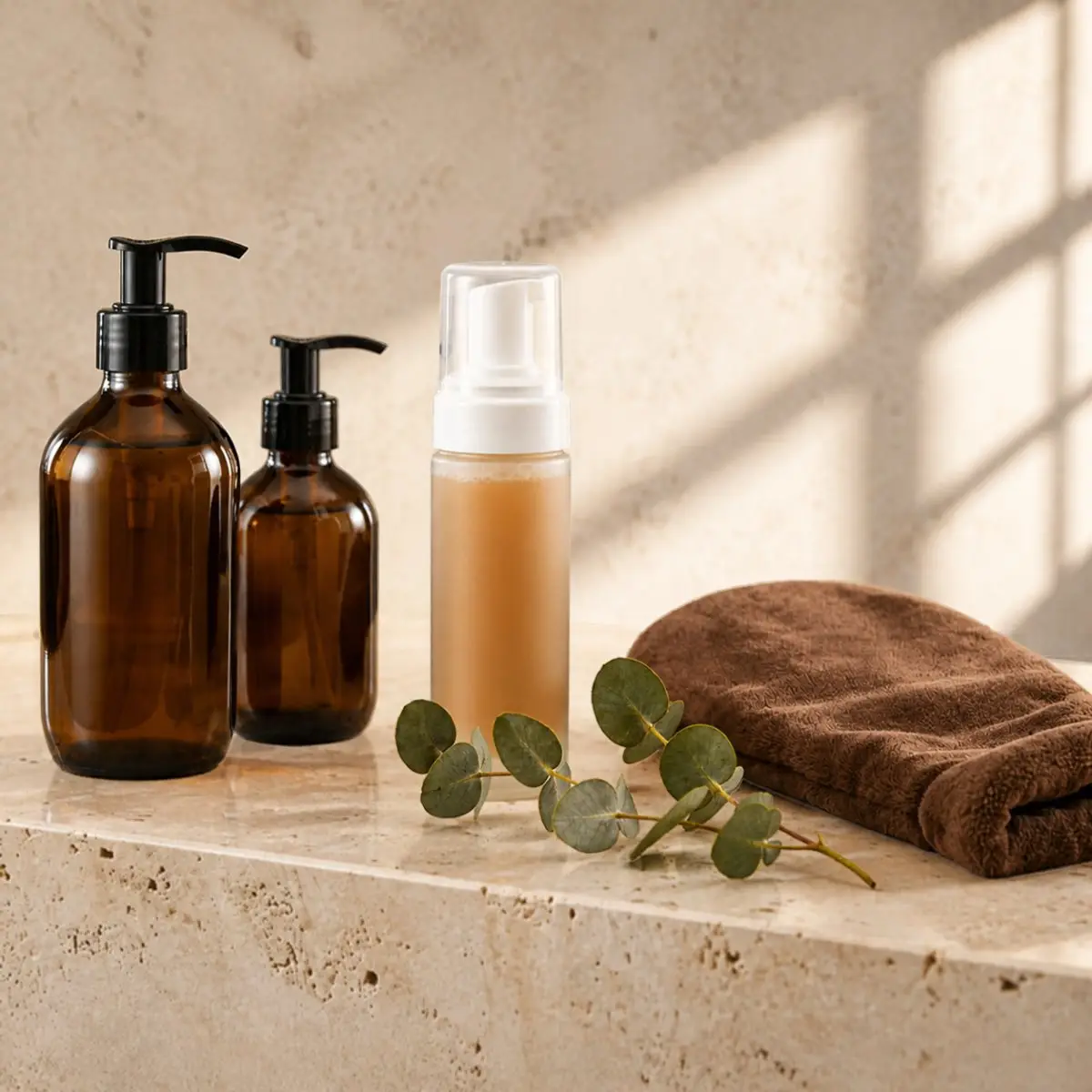
This is a general information page, not medical or professional advice. It is published by Radiant Life Distributors, a business related to Mega Health, which sells self-tan products. That range is linked at the end of the page. The safety and labelling information comes from the official sources linked below.
The guide
From choosing a tan to wearing it safely.
How self tan colours skin
According to Better Health Channel (Victoria), the active ingredient in many fake tan products is dihydroxyacetone (DHA), and lower concentrations give a lighter tan. The colour sits in the outer layer of skin and is shed with dead skin cells after a few days, which is why a self tan fades and needs topping up.
What 'natural' and 'organic' mean on a label
The ACCC says organic certification is not legally required for a product sold in Australia to be described as organic, but a business making the claim must be able to prove it. There's a voluntary domestic standard, AS 6000–2015. 'Natural' has no set definition, so read the ingredient list rather than the front of the pack.
Reading a certification logo
Certifiers set their own thresholds. Australian Certified Organic, for example, allows 'certified organic' with its bud logo only at 95% certified organic content or more, and 'made with certified organic ingredients' with a certification number at 70% to 95%. Below 70%, its rules allow no certification claim. If a product names a certifier, look up that certifier's standard.
Mousse, water, lotion or face tan
Mousses are quick-drying and usually tinted, so you can see where you've applied them. Tan waters are clear and light, suiting people who dislike a sticky feel. Gradual lotions build colour over several days of use, and face tans are made for applying to the face. Pick by how you like to apply it and how fast you want the colour.
Prepare the skin
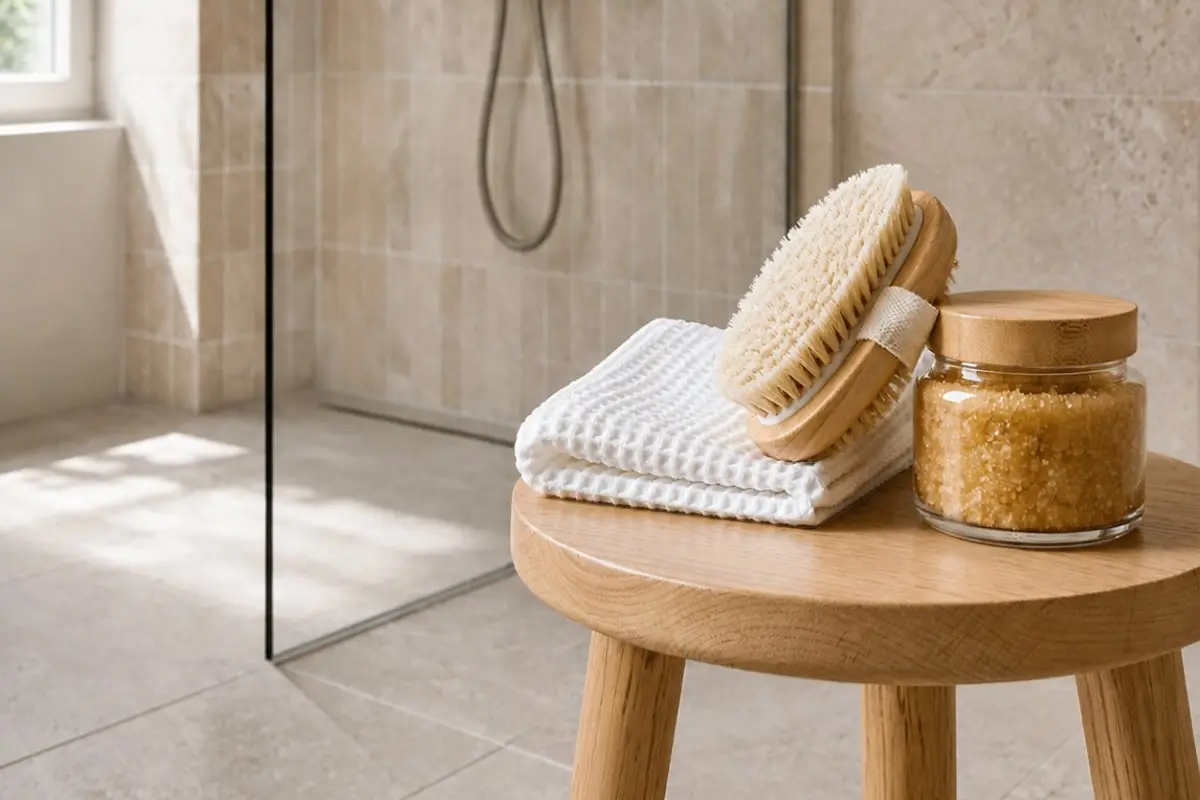
Exfoliate in the shower the day before so the colour goes onto fresh skin and fades evenly. Shave or wax beforehand rather than straight after, and put a little moisturiser on dry areas such as knees, elbows, ankles and hands so they don't take on extra colour.
Apply with a mitt
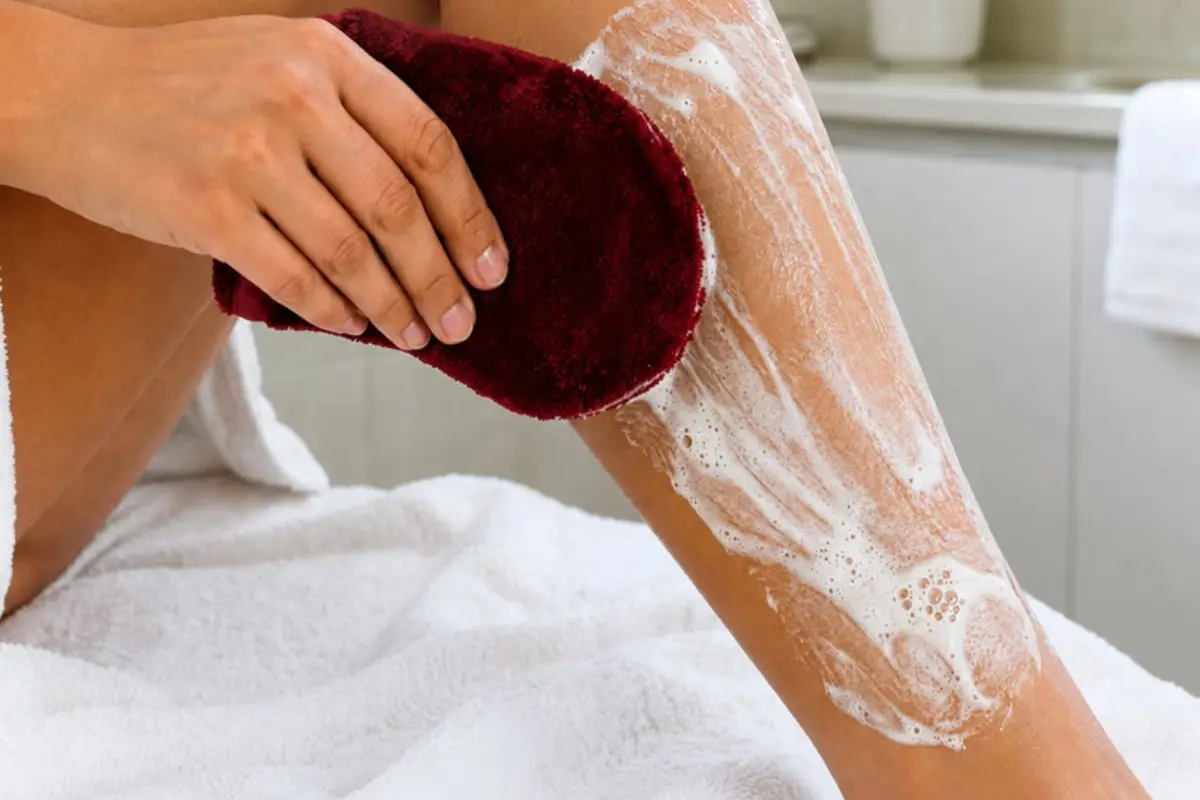
A tanning mitt keeps colour off your palms and helps you blend in long, even strokes. Work in sections, use what's left on the mitt for hands and feet, and wash your hands when you finish. Give it time to dry before getting dressed, following the time on the product.
Face, eyes and spray tans
Better Health Channel says DHA is considered safe on the skin, but there's no conclusive evidence it's safe for the eyes, lips or mucous membranes, and research suggests it could be harmful if inhaled. Keep it away from your eyes and lips. For a spray tan, use eye protection and a mask in a well-ventilated area.
A tan is not sun protection
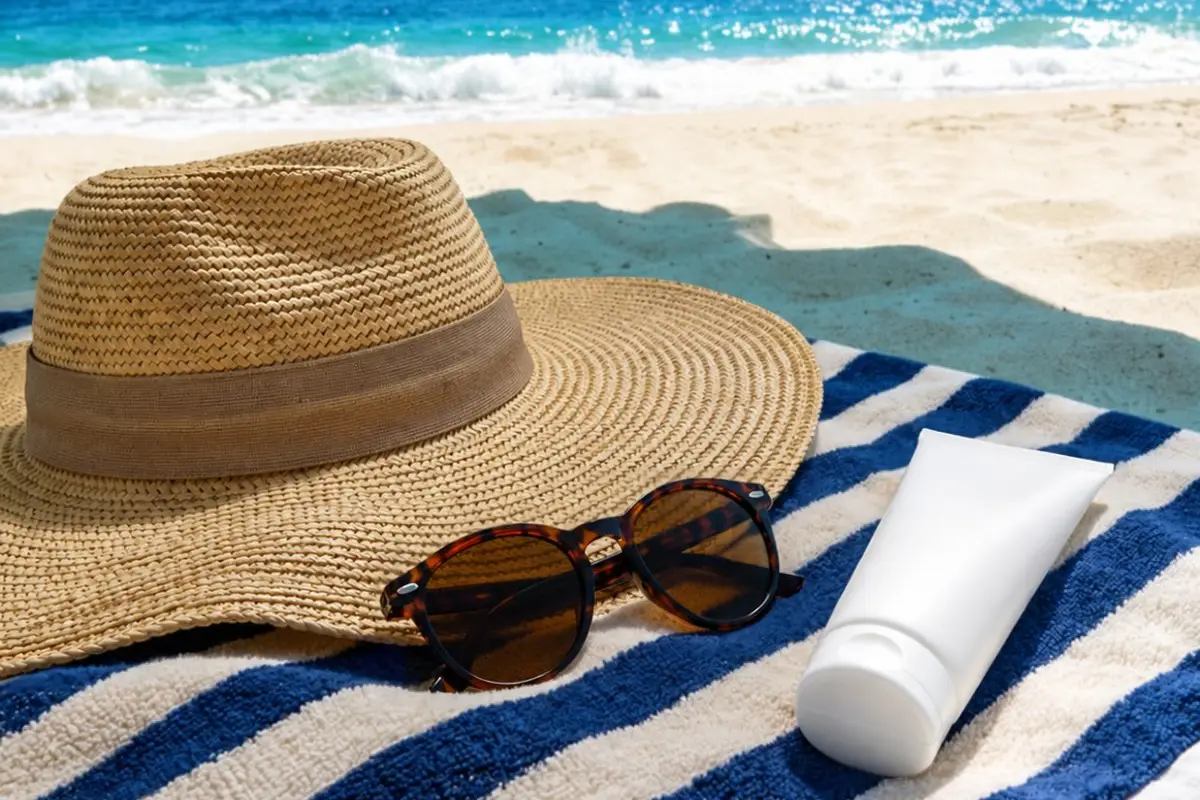
Better Health Channel says fake tanning products offer little to no protection from the sun's UV radiation. Some include sunscreen at SPF 4 to 15, but that protection may last only about two hours, not as long as the colour. Cancer Council Australia recommends using any tanning product alongside the five sun protection measures: clothing, sunscreen, a broad-brimmed hat, shade and sunglasses.
Solariums are not an option
Cancer Council Australia notes that solariums are banned for commercial use in all Australian states and territories. Self tan is the way to get colour without UV.
Try a small area first
New to a product? Test it on a small patch of skin first to check the shade and how your skin reacts, and stop using it if you get a reaction. Ingredient lists help if you already know something you want to avoid.
Where to find natural self tan
Mega Health stocks the Eco Tan range: a cacao tanning mousse, a clear invisible tan, a gradual tan, a face tan water and a tanning mitt. It's linked below. Mega Health is related to the publisher of this page.
Official sources and where to buy
Check details with the source.
| Name | Location | Website | Notes |
|---|---|---|---|
| Better Health Channel: Skin cancer and tanning | VIC Government | www.betterhealth.vic.gov.au/health/conditionsandtreatments/skin-cancer-tanning | |
| Cancer Council Australia: Tanning | National | www.cancer.org.au/about-us/policy-and-advocacy/prevention/uv-radiation/related-resources/tanning | |
| ACCC: Organic claims | National | www.accc.gov.au/consumers/advertising-and-promotions/organic-claims | |
| Australian Certified Organic: Cosmetics certification | National | aco.net.au/cosmetics |
| Name | Location | Website | Notes |
|---|---|---|---|
| Mega Health: Self Tan | Online, Australia-wide | www.megahealth.com.au/collections/self-tan |
Inclusion in this directory is not an endorsement. Links are to official websites as published at the time of checking.
Before you buy
Questions worth asking.
- Is the 'organic' claim certified?
- Certification isn't legally required, so a logo with a certifier's name and number tells you more than the word alone.
- What's the active ingredient?
- Most self tans use DHA, and the strength decides how dark the colour goes. Check the ingredient list if you want a lighter or gradual result.
- Which format suits you?
- Mousse shows where you've applied it, water feels lightest, and gradual lotion builds colour slowly. Pick the one you'll actually use evenly.
- Does it claim SPF?
- Any SPF in a tan lasts only a short time after you apply it, so you still need sunscreen and cover.
- Will you use it on your face?
- Use a product made for the face, and keep any tan away from your eyes and lips.
Common questions
Does fake tan protect you from the sun?
No. Better Health Channel says fake tanning products offer little to no protection from UV radiation. Any SPF in them may last only about two hours, so keep using sunscreen and the other sun protection measures.
What is the active ingredient in self tan?
According to Better Health Channel, it's dihydroxyacetone (DHA) in many fake tan products.
Does 'organic' on a self tan mean it's certified?
Not necessarily. The ACCC says certification isn't legally required to describe a product as organic in Australia, though the claim must be provable. Look for a certifier's logo and number.
How long does a self tan last?
The colour is shed with dead skin cells, so it fades over a few days, according to Better Health Channel.
Are solariums legal in Australia?
Cancer Council Australia says solariums are banned for commercial use in all Australian states and territories.
About this page
This page is a plain reference on self tan and natural tanning products. It makes no health or sun-protection claims for any product. Businesses wanting a correction can use the contact link below.